
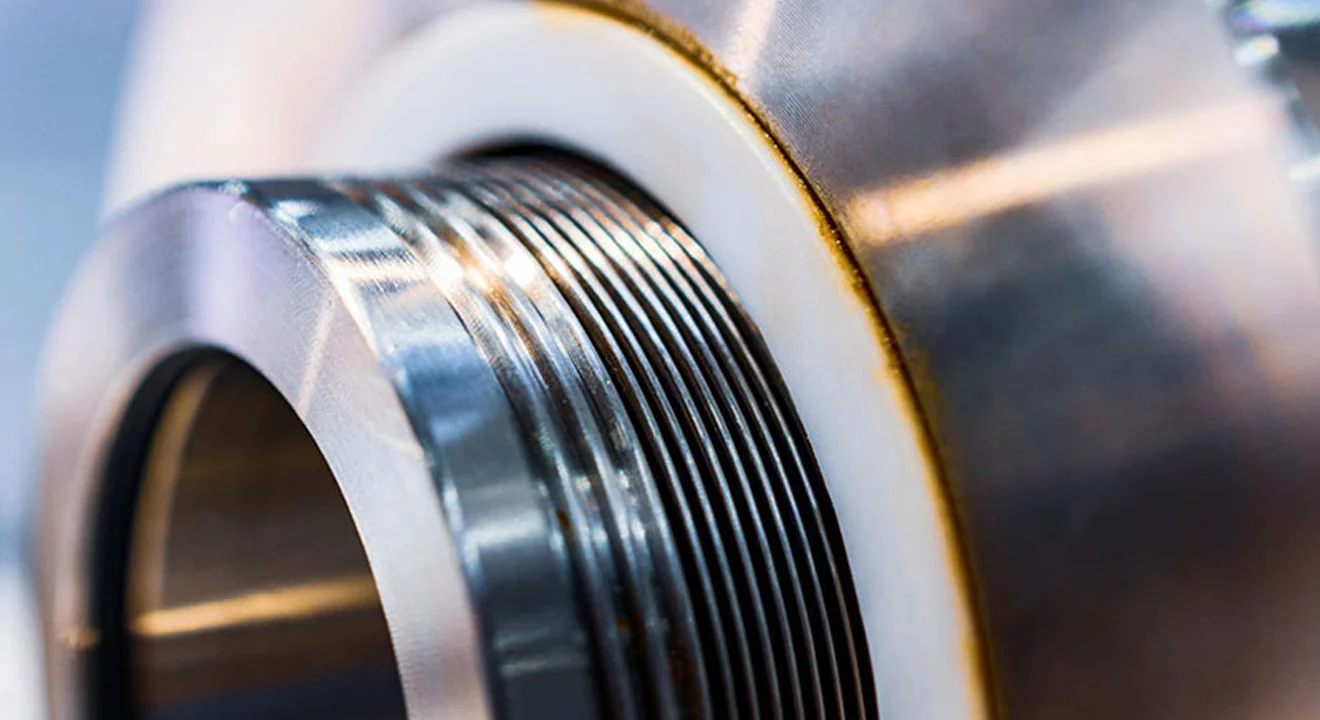
Mechanical seals are essential devices designed to prevent leakage between a rotating shaft and the stationary housing in pumps, mixers, compressors, and other rotary equipment. By combining a stationary part, a rotating part, and a spring mechanism, mechanical seals maintain a tight interface despite motion. Choosing the correct seal is critical to ensure operational efficiency, safety, and longevity, especially under harsh industrial conditions.
Mechanical seals must be made from appropriate materials and precise dimensions to withstand chemical exposure, extreme temperatures, and high pressures. Improper selection or installation can lead to seal failure, equipment downtime, and costly maintenance. Understanding their operation and applications helps industries choose the best solution for their specific requirements.
Frequently Asked Questions About Mechanical Seals
Q: What is a mechanical seal?
A: An end-face mechanical seal prevents fluid leakage on a rotating shaft. It consists of two flat faces—one stationary and one rotating—kept in contact by axial force and fluid pressure.
Q: What is a cartridge seal?
A: A cartridge seal is a pre-assembled, self-contained unit including sealing components, a gland, sleeve, and hardware. It simplifies installation and reduces maintenance errors.
Q: What is a component seal?
A: Component seals have separate rotating and stationary parts. They require careful installation and adjustment, typically by experienced technicians.
Q: What is an air seal?
A: Air seals are non-contacting, pneumatic devices that use air or inert gas to maintain positive pressure, preventing product loss, emissions, or contamination.
Q: Which applications suit each type of mechanical seal?
A: – End-face seals: Used in rotating equipment processing liquids, gases, or slurries.
- Cartridge-mounted seals: Ideal for centrifugal pumps with axial shaft adjustment.
- Air seals: Common in equipment handling powders and bulk solids.
Selecting the Right Mechanical Seal
Choosing the correct mechanical seal depends on:
- Type of fluid or media
- Temperature and pressure conditions
- Shaft rotation speed and direction
- Presence of solids or abrasive materials
- Regulatory or hygiene requirements
Industrial operators should consult with experienced suppliers like Ashish Seals India Pvt. Ltd. to determine the best seal type, materials, and configuration for each application.
Conclusion
Mechanical seals are crucial for preventing leakage, improving efficiency, and ensuring the safety of industrial processes. From water pumps and chemical processing to pharmaceutical and food industries, selecting the right seal enhances equipment performance and reduces downtime.
Ashish Seals India Pvt. Ltd., based in Mumbai, India, offers precision-engineered mechanical seals, providing manufacturers and operators with reliable, high-quality solutions tailored to diverse industrial needs.